Category Archives: Uncategorized

Winter Weather Coverage Blog

winter weather

What Kind of Winter Weather Damage Does Your Homeowner’s Insurance Cover (and NOT Cover)?

Now that Winter is here and we’ve had our first major snowstorm of the season, it’s time to discuss what Homeowner’s Insurance does and does not cover.

Most insurers offer more than one level of coverage. Policies that are considered “standard” or “fire-only” will not cover as many types of damage as an “all-risk” policy, so most of what is described below refers to coverages of an “all-risk” policy.

Ice Dams

When melting snow has nowhere to go because your gutters are full of ice and snow it results in interior water damage to your home. This is almost always covered.

Snow

Like Ice Dams, snow and ice removal usually may not not covered but the damage it causes usually is. Accumulation of snow and ice can sometimes cause roofs to collapse or rafters to break. This damage is covered along with what it takes to get your house back together again. Damage to your home and garage caused by snow and cold is covered, damage to your yard and driveway probably not.

Frozen Pipes

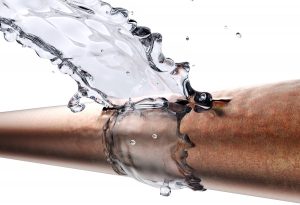
Not all companies pay to have frozen pipes thawed by professionals, but most policies do cover pipe replacement and water damage that results. The coverage may not apply if you failed to maintain heat in the property or never winterizing the home. How a frozen pipe claim is reported to the Insurance Company determines whether your insurance company will pay the claim. Leave notifying your Insurance Company up to a professional Adjuster. This is important to know if you are a “snowbird” or own a summer vacation home.

storm damage

Interruption of Services

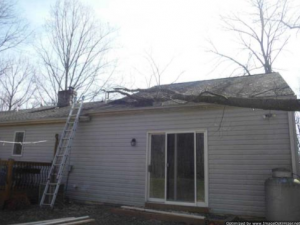
If you lose power during a storm, your all-risk homeowner’s may not be much help. Here is the rule of thumb if the power interruption results from something that happen at your address like a tree branch fallen and taking out the main electric line to your home, then everything after that is covered. If power is out to your whole neighborhood, then your insurance is not going to be much help. There may be limited coverage if your home is damaged from the same storm that you lost power in. Policies usually pay for spoiled food, repairs to damage, and appliances damaged caused power surges that sometimes occur when power is restored. If you lose heat from a power outage that results in freezing damages, your policy should provide coverage.

Condensation

Some homes suffer interior damage from freezing and thawing of the condensation caused by lack of insulation and poor venting in the attic. Policies don’t normally cover damage caused by condensation so make sure your attic is adequately vented and insulated.

Renters

The landlord’s insurance will pay for winter weather damage to the building, including the walls, ceilings, and plumbing in your apartment. It will not pay for damage to your tenant’s personal belongings. For the tenant’s possessions to be covered, the tenant must purchase their own renter’s insurance. 

Commercial Coverage

Commercial property insurance varies dramatically from policy to policy. Almost all Commercial Policies cover damage from melting snow, however, most don’t cover common roof leaks. Have Property Adjustment or your agent review your coverage before damage occurs.

The roofs of farm and storage buildings sometimes collapse under the weight of snow. If the building is very old, it may better to store expensive equipment in insured, rather than uninsured, buildings. Livestock is covered if a farmer has a livestock endorsement to a farm policy.

Flood Coverage

Flooding can occur at any time of year. Flooding sometimes occurs when a January thaw or early Spring snow melt and heavy rain occur simultaneously. Because flood insurance goes into effect 30 days after it is purchased, so it is wise to consider buying coverage before it is needed.

Many people mistakenly believe that they must live in a designated flood plain to be eligible to buy flood insurance. The only requirement for eligibility to buy flood insurance is that the municipality in which they live must participate in the National Flood Insurance Program. To find out which communities participate, call the National Flood Insurance Program at 888-CALL-FLOOD. Also, any insurance agent can provide information about the cost and availability of flood insurance.

These are just a few of the scenarios that you may face this Winter.  If you are not sure what type of policy you have and what it covers, call Property Adjustment or your agent for an explanation. It is important for you to understand what is covered before your house suffers damage to avoid surprises and headaches in the event you do file a claim.
Filing an Insurance Claim? Here’s How a Public Adjuster Can Help

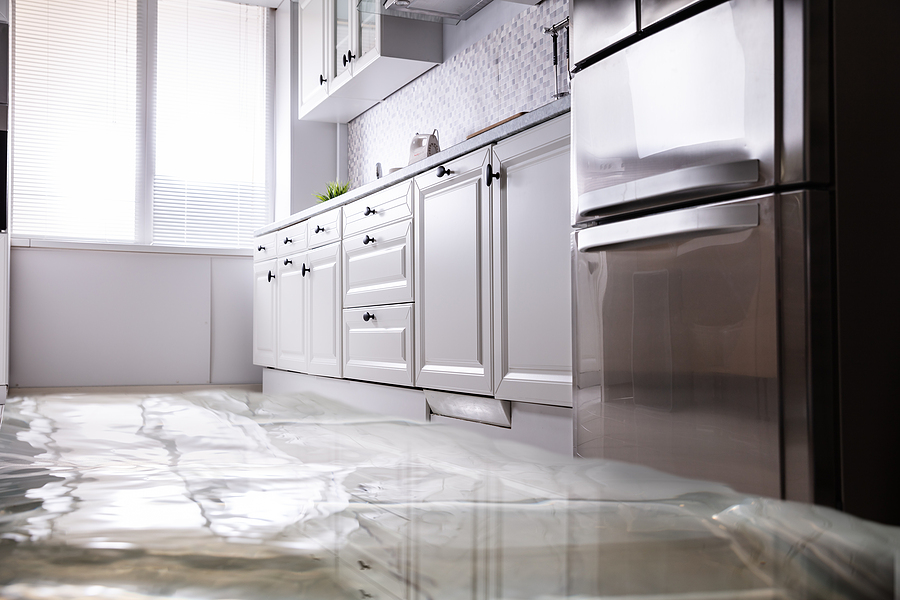
interior water damage

We are often asked how we help Homeowners get what they deserve when damage occurs.  A recent article laid out a good summary of what Public Adjusters are, who needs one and how to pick one.  Here are the important highlights.

We buy insurance to protect our large investments like our homes and businesses. If something bad happens like a fire or storm and we need to make a claim, we want to make sure we get the most money we are entitled to.

Some people hire a public adjuster to help them through the claims process. But exactly what is a public adjuster?

“We act as an advocate for the policyholder,” says Jodie Papa, president of the National Association of Public Insurance Adjusters. “We represent them to make sure the insurance company is paying the claim properly and fairly.”

What is a Public Adjuster?

A public adjuster is an insurance professional who works for a policy holder to help settle an insurance claim for property loss or damage. Public adjusters has no relationship with the insurance company and legally represents the policyholder. Public adjusters get paid a percentage of the final claim settlement.

Public adjusters are one of three types of adjusters that can be involved in the insurance claim process to determine the value of the loss and decide how much the insurance company will pay.

The three types of claims adjusters are:

  • Company adjusters: Also known as staff adjusters, these people work directly for the insurance companies to handle claims for that company’s policyholders.
  • Independent adjusters: These people also work on behalf of the insurance company but are independent contractors instead of employees.
  • Public adjusters: Policyholders hire public adjusters to represent their interests during the claims process.

Who Hires Public Adjusters?

house fireAfter a loss or damage to your home or business, having to deal with insurance companies is something many people either just don’t want to do or don’t have time to do. Having a public adjuster means someone is on your side to do some of the work for you.
“Under the insurance policy, it is the responsibility of the insured to prove their damages to the insurance company, and that is what a public adjuster assists with,” Papa explains. The adjuster prepares estimates, assists with preparing information for additional living expenses, tallies business losses and more, Papa says.

A public adjuster can help with the claims process and paperwork as well as explain complicated items and stipulations. They cannot get more money from an insurance company than the policy allows, but often can get more than an insurance company initially offers.

“Usually, the fees are more than recovered in the process,” Papa says. She cites an example of a recent claim where the insurance company offered her client $17,000 to settle and they ended up settling for $67,000, making her fee worth paying for the client. “That’s just the amount of value and knowledge and looking outside of the box and explaining. There’s a lot of things that the insurance companies don’t volunteer to the insured.”

Using a public adjuster can make things easier, but in the end, it cuts into the amount you end up with since the public adjuster gets paid a percentage of the settlement. That means less money for repairs — so before hiring a public adjuster, make sure you figure out how much you will need to make the necessary repairs.

Choosing a Public Adjuster

If you hire a public adjuster, you need to make sure it’s a good fit for you and for your claim.

Papa has some advice for people looking to hire a public adjuster:

  • Check licenses: Public adjusters usually need to be licenced in the state where the loss occurred. Every state has different requirements and some do not require licenses at all.
  • Ask around: Get recommendations from others and check with your state’s insurance department.
  • Research firms: If the person you are looking at does not have a website or recommendations, they might not be reputable. Some firms have in-house estimators, forensic accountants, engineers and architects on staff.
  • Know your rights: Some state insurance regulations set a maximum percentage a public adjuster can charge.
  • Interview: Talking with the person you’re hiring to represent you can help you feel if it is a good fit for the best service and price.
  • Limit time: If the contract isn’t settled to your satisfaction during a set period of time, you can walk away without owing the public adjuster anything.
  • Look for associations: Public adjusters can be members of national or state associations which set standards for the profession.
  • Certifications: There are two main certifications for public adjusters: The Certified Professional Public Insurance Adjuster must have been working in the field for at least five years and pass a series of exams. The Senior Professional Public Adjusters must have been working in the field for at least 10 years and pass exams.

Papa advises to be on the lookout for anyone who pressures you into signing a contract. After a disaster, some public adjusters will go door-to-door trying to pressure homeowners into becoming clients, making people think using a public adjuster is the only way to get money from an insurance company.

Other red flags if the adjuster:

  • Asks for a deposit or a fee up front. Public adjusters should only get paid when you get paid.
  • Makes promises about the amount of your claim before looking at your loss or your policy.
  • Licensed just after a disaster. States often relax requirements after a catastrophic event and people enter the field to make a quick buck off of other people’s suffering.
  • Solicits business by going door-to-door after a disaster or shows up at your door after a fire.
  • Doesn’t return phone calls, emails or texts.
  • Pushes you toward certain contractors or repair companies.
  • Asks you to fake receipts or estimates in order to inflate claims.
  • Asks for bank accounts and other personal information.

Did your home suffer damage? Reach of to us at Property Adjustment Corporation. We are experienced Public Adjusters.

Doylestown Tornado

doylestown tornato

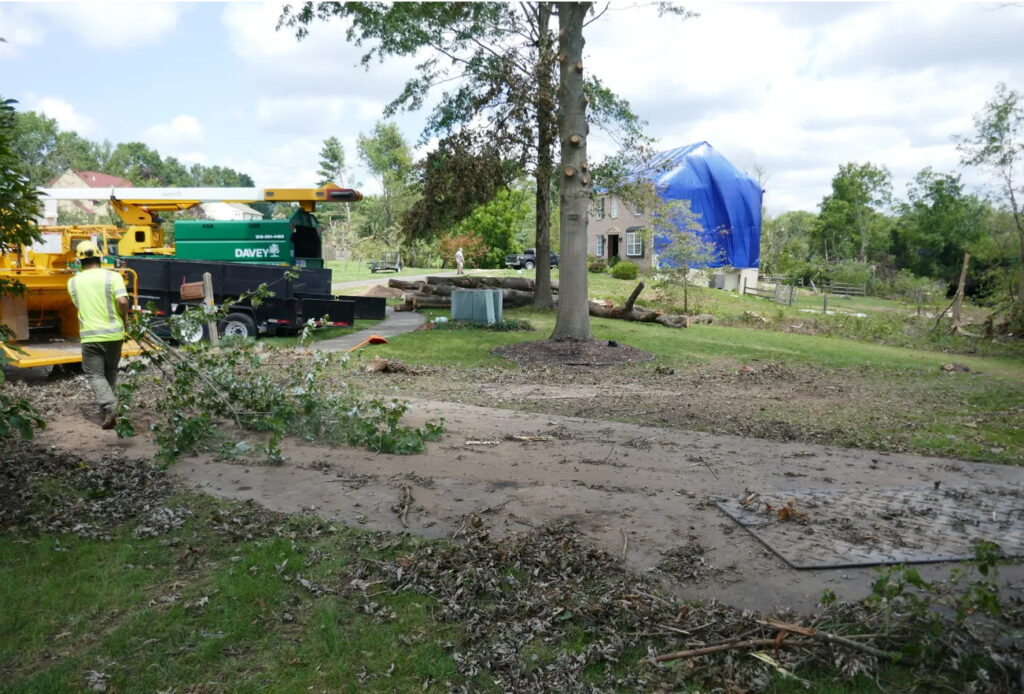
Tornado damage can affect homeowners for months, even years, following the storm.  Having experienced these situations before, Kevin and Samantha of Property Adjustment Corp. went to help Country Brook Drive residents immediately following the tornado that ripped through Doylestown on August 4th.

Right away, they began assisting with emergency services such as tarping the homes and finding temporary housing for the residents.

The Doylestown Intelligencer covered the story of the aftermath.  Read the story here.

tornado damageProperty Adjustment supports our clients throughout the entire process of working with insurance companies to make sure that their homes are fixed properly and that the homeowners are fairly compensated.

Insurance companies often take advantage of their policy holders’ shock, grief, and desperation after catastrophic events like the one we had recently and offer quick settlements that don’t fully cover the damage done to their homes.  The difference between what an insurance company calls “minor foundation cracks” and what we identify as serious foundation damage from the house being “lifted off its foundation” as mentioned in the article, can be huge and costly.  That is because, unlike the insurance companies, we at Property Adjustment have our clients’ and our community’s best interests in mind.

If you have been affected by the August 4th tornado or its subsequent flooding, please give us a call at 877-355-3473 – we promise a timely response, courteous service, and guarantee you will have a higher settlement payment with our services than with working with insurance alone.

Bucks County Best of 2020 Nominee!

Property Adjustment Corporation is proud to announce that we have been nominated for a Bucks Happening Magazine’s “Bucks County Best of 2020” award as one of the area’s Best Public Adjusters!

At Property Adjustment Corporation, our philosophy is simple – bucks county best 2020we promise a timely response, professional service, and guarantee the highest settlement possible. We achieve far better results than when working with your insurance company.  That has been our goal since 1989 and we are truly honored that our commitment has been recognized with this nomination.
But to be considered “Bucks County’s Best” we need your vote.  It is up to the public to determine if we are THE best adjusters in the area, so we’re asking for your support.  Please take a moment to go to the Bucks Happening website and vote for Property Adjustment Corporation.  Here is the link to the voting page.  Voting is only open for a few more weeks, so please vote today!

Thank you to our clients for putting their trust in us, to our staff for providing such outstanding service, to Bucks Happening for the recognition, and to you for voting for us.

Why Who You Call After a House Fire Matters


house fire

Two Phone Calls, 10 Days: Why Who You Call After a House Fire Matters

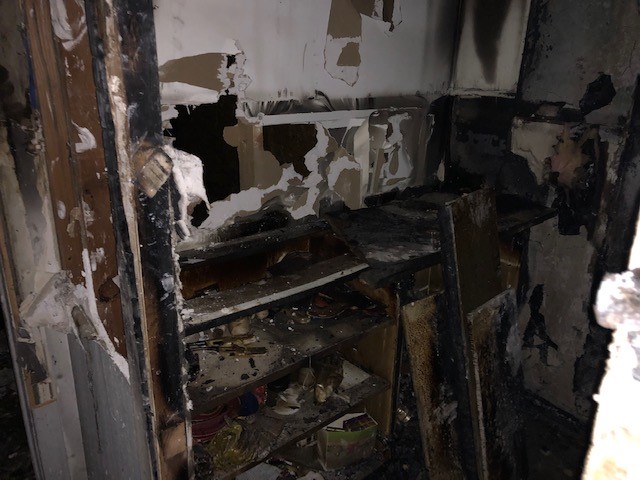
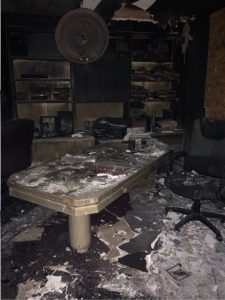
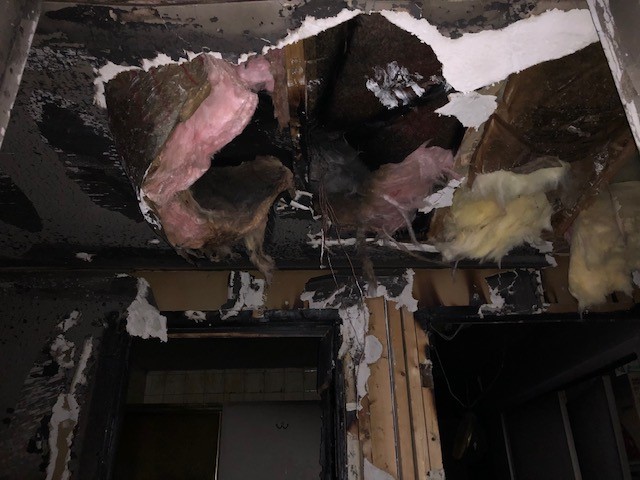
fire damageSeveral weeks ago, Rosalli Shah, an anesthesiologist at St. Mary’s Hospital in Bucks County, PA, had her home destroyed by fire.  Tragic.  The day after the fire she made two phone calls; one to her insurance company and the other to Property Adjustment Corporation.
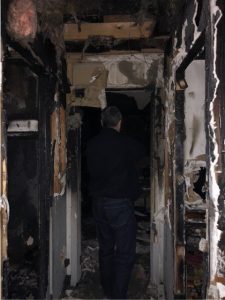
I met with Rosalli and the Fire Marshal that day.  Her insurance company took 10 days to come out.  When asked why it took so long, the insurance adjuster told Rosalli, without empathy or apology, “Yeah, this claim just slipped through the cracks…”

What did Property Adjustment Corporation do in those 10 days it took Rosalli’s insurance company to see the loss?

  • Arranged temporary housing for Rosalli and her family.
  • Had their salvageable clothing dry-cleaned and returned to her within 24 hours.
  • Restored temporary power to the premises.
  • Arranged a dumpster drop off so restoration specialists could tear out the wet carpet and start drying out the home.
  • Calculated an estimate for what it would cost to rebuild her home.
  • Started and completed an inventory of all the household contents.

indoor fire damageAs if the loss of your home and belongings isn’t troubling enough, settling larger insurance claim losses can be a long and tedious process, especially with indifferent insurance companies that allow your claim to “fall through the cracks” and uncaring insurance adjusters looking to minimize insurance claim payments.
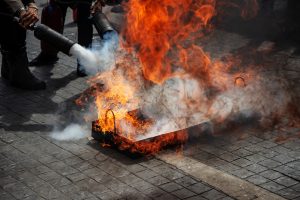
At Property Adjustment Corporation, we promise a timely response and courteous service.  We also guarantee you will have a higher settlement payment with our services than with working with insurance alone.  You may not realize it at the time, but decisions made immediately after a house fire or commercial business fire can affect your quality of life for months or maybe years to come.

Gee, I guess Rosalli only needed to make one phone call…

fire damage

Summer Safety Tips for Grilling and Fire Pits

Summer’s here and the time is right for grilling and fire pits.  But don’t ruin a perfect summer evening with an avoidable accident or trip to the ER.  Here are some safety tips that will keep your summers low-key and enjoyable, just like they ought to be.

The Grill

grilling safety tips

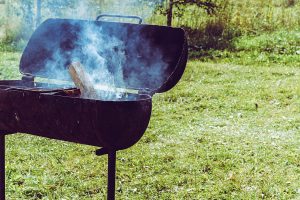
According to the National Fire Protection Association, outdoor grilling accounts for nearly 10,000 house and structure fires and an average of 19,000 emergency room visits a year.  And, believe it or not, gas grills cause more fires than charcoal grills.  Here are a few tips to keep your home and your family safe when grilling.

  • Grill outside and away from structures and no, in the garage with the door open doesn’t count!
  • 29% of fires were started on an exterior balcony or open porch. Keep grills well away from homes and railings.
  • Look up ­for tree branches, overhangs, or balconies.
  • Keep your grill clean: Remove grease and drippings from the grill and elements underneath to prevent flare-ups and grease fires.
  • Monitor children to prevent burns and do not wear loose clothing that can catch fire.
  • Check gas grills for leaks. Allow charcoal grills to cool completely before disposing coals in a metal container.
  • Be prepared to put out a fire. Have baking soda handy for grease fires and an extinguisher nearby for other fires.

fire safetyFire Pits

Backyard fire pits have become more popular in recent years.  But before pulling out the stuff for s’mores, make sure that you are aware of the local rules and weather restrictions in your area before you light a fire.  Unattended or illegal fires can cause serious wildfires like the one in Oroville, California that was started by someone who built an illegal campfire.

  • Build your fire pit on a level surface and at least 10 feet away from your home, fences, trees, or sheds.
  • Keep a close eye on children, pets, and guests to prevent burns. If an adult guest utters the words, “I can do that – hold my beer!” immediately move them a safe distance away from the pit.
  • Do NOT use gasoline, kerosene, or lighter fluid to start a fire. Accelerants can cause a fire to quickly get out of control.
  • Never leave a fire unattended and extinguish the fire with water at the end of the night.
  • Be prepared. Keep a garden hose, sand, or a fire extinguisher nearby in case the fire spreads beyond the pit.

For many, summer cookouts and quiet evenings by the fire pit make for the perfect.  Be sure to follow these tips so you can safely enjoy these times with family and friends.

Have a safe and happy Summer.

Get to Know Your Homeowner’s Insurance

homeowners insurance

Do you really know what’s in your Homeowner’s Insurance?  Most people assume that all policies are basically the same, but they can vary, depending on policy and company. It is important for you to understand what your policy covers before your house suffers winter damage and you file an insurance claim.

There are several types of policies. The majority are considered “standard.” “Fire-only” will not cover as many types of damage as an “all-risk” policy. If you are not sure what type of policy you have and what it covers, call your agent for an explanation.

Here are some examples of what might not be covered in your policy –

Ice Dams    

Not any policies pay for ice dam removal. However, interior or exterior damage caused by an ice dam on your roof is usually covered.

Snow Removal

Homeowner’s insurance does not cover injuries sustained by a homeowner during snow removal.  Accumulation of snow and extreme cold are considered “acts of God,” but not considered damage per se. Damage caused by snow and cold is covered. Damage to your yard and driveway is not covered.

leaking pipe

Frozen Pipes

Not all companies pay to have frozen pipes thawed by professionals. Most policies cover pipe replacement and water damage. The coverage may not apply if you turned the furnace off for the winter without winterizing your home.

Interruption of Services

If you lose power during a storm, there are policies that pay for spoiled food, repairs to damage caused by loss of power, and appliances damaged by the outage. Many policies also will pay for shelter when you lose power for extended periods during the winter. If you lose heat and fail to take steps to prevent pipes from freezing, your policy may not cover the resulting damage.

Commercial Coverage

Commercial property insurance varies dramatically from policy to policy. Check with your agent to find out what kind of coverage you have before damage occurs.

If you have damages caused by one of these unfortunate events and are not sure how to proceed, give us a call.  We are here to support you and find out your best course of action.

Holidays 2019: Blow Them Out, Turn Them Off

holiday candle

The winter holidays are quickly approaching and many of you may already be busy decorating and preparing to celebrate with family and friends. But before you light the Menorah, Kinara, or Advent wreath, remember that more than a third of home decoration fires are started by candles and 42% of decoration fires happen because decorations are placed too close to a heat source.  Please, follow these tips to keep your house and family safe during the holidays.

  • Keep lit candles away from decorations, furniture, draperies, trees, and other things that can catch fire.
  • Choose decorations that are flame resistant or flame retardant.
  • Keep children and pets away from lit candles.
  • Keep matches and lighters up high or in a locked cabinet.
  • Some lights are only for indoor or outdoor use, but not both. Check the UL listing on the box for proper usage.
  • Replace any string of lights with worn or broken cords, loose bulb connections, or that unintentionally flicker as you handle them.
  • Follow manufacturer’s instructions for number of light strands to connect.
  • Use clips, not nails, to hang lights so the cords do not get damaged.
  • Test your smoke alarms.
  • Blow out lit candles when you leave the room or go to bed. Turn off all light strings and decorations before leaving home or going to bed.


Be sure to review last year’s post on Holiday Safety Tips for more reminders of how to keep safe during winter holiday celebrations.

Wishing you safe and happy holidays and a peaceful new year!

Tips to Stay Safe During a Hurricane

hurricane safetyHurricane season has just started, so now is a good time to point out what you should do if one is headed your way.  Here are the Top 15 things to consider before a storm hits.

  • Restock your emergency preparedness kit. Include food and water sufficient for at least three days, medications, a flashlight, batteries, cash, and first aid supplies.
  • Plan how to communicate with family members if you lose power. For example, you can call, text, email or use social media. Remember that during disasters, sending text messages is usually reliable and faster than making phone calls because phone lines are often overloaded.
  • Review your evacuation zone, evacuation route and shelter locations. Plan with your family. You may have to leave quickly so plan ahead.
  • Review insurance policies and catalog belongings.
  • Collect and safeguard critical financial, medical, educational, and legal documents and records. Make copies and safeguard, if you have time.
  • Back up electronic data. This is best if done offsite or through cloud storage.
  • Pack a “go bag” to bring with you if you have to leave quickly.
  • Keep your car in good working condition and keep the gas tank full; stock your vehicle with emergency supplies and a change of clothes.
  • Bookmark your city or county website for quick access to storm updates and emergency instructions.
  • Bring loose, lightweight objects inside that could become projectiles in high winds (e.g., patio furniture, garbage cans); anchor objects that would be unsafe to bring inside (e.g., propane tanks); and trim or remove trees close enough to fall on the building.
  • Consider covering all of your home’s windows. Permanent storm shutters offer the best protection for windows. A second option is to board up windows with 5/8” exterior grade or marine plywood, cut to fit and ready to install.
  • Charge your cell phone now so you will have a full battery in case you lose power.
  • If you’re not in an area that is recommended for evacuation, plan to stay at home or where you are and let friends and family know where you are.
  • Turn your refrigerator or freezer to the coldest setting and open only when necessary. If you lose power, food will last longer.
  • Keep a thermometer in the refrigerator to be able to check the food temperature when the power is restored.

If a storm does cause any damage to your property, please reach out to us.  We are always here to help.

6 Great Tips to Keep Pipes From Freezing!

Cold temperatures can cause pipes to freeze. Many landlords are afraid they will get this call from a tenant during the winter months. There are, however, steps you can take to prevent this problem. Learn six tips to keep the pipes on your property from freezing.

The Facts About Frozen Pipes

Picture of How to Keep Pipes From Freezing

Only A Cold Climate Problem?

This is not the case. Many mistakenly believe that frozen pipes are only an issue for those in typically cold climates.

However, the homes that are actually more vulnerable to frozen pipes are those in typically warmer climates because the pipes may not be properly insulated against such frigid temperatures.

Frozen Pipes Can Burst

Frozen pipes are a problem by themselves because they prevent water flow, but even worse, frozen pipes can eventually burst, causing damage and potential flooding. The good news is, there are six easy steps you can take to help prevent this problem from occurring when the temperatures drop.

Tip #1: Keep the Heat On

If you or your tenants are leaving for a period of time, make sure that the heat is kept on your property. It may be difficult to convince your tenants to leave their heat on when they are away, especially if they are responsible for paying their own utilities. You should inform them that the heat can help prevent pipes from freezing, and if pipes freeze and burst, it can cause a lot of water damage to the property and to their possessions.

The heat does not have to be kept as high as you normally would keep it if you were actually in the property, but keeping it set above 50 degrees Fahrenheit is a good idea. This should provide enough heat to keep the pipes warm and to prevent any water inside from freezing.

Tip #2: Allow Faucet to Drip

If you are afraid a pipe will freeze, you can allow the faucet to drip slightly.

Allowing the faucet to be open like this will relieve pressure in the system. If a pipe freezes, it is actually the pressure that is created between the blockage and the faucet that will cause the pipe to burst. Allowing the faucet to be open will prevent this pressure from building up and thus, keep the pipe from bursting.

Tip #3: Keep Interior Doors Open

Pipes are often located in cabinets. When the temperatures drop, it is a good idea to keep these cabinet doors open so that the heat from the rest of the house can keep the pipes warm as well. You should also keep all interior doors open so that the heat can flow throughout the home.

Tip #4: Seal Up Cracks and Holes

You should caulk any holes or cracks that exist near pipes. This should be done on both interior and exterior walls. Doing so can help keep the cold air out and the warm air in.

Tip #5: Apply Heating Tape

For pipes that are easily accessible, the electrical heating tape may be an option to keep them from freezing. This tape can be applied directly to the pipe.

There are two types of heating tape. One type of heating tape turns on and off by itself when it senses heat is needed. The other type of heating tape needs to be plugged in when heat is needed and unplugged when not in use.

Much like a space heater, these products can be dangerous, so you must follow the product’s direction and safety procedures exactly.

Tip #6: Add Extra Insulation

Pipes that are located in areas that do not have proper insulation, such as basements or attics, may need extra insulation to keep from freezing. Pipes in basements or attics are not the only ones that may not be properly insulated from the cold. If you have had a problem with pipes freezing anywhere in your home, extra insulation could be the cure.

Pipes can be fitted with foam rubber or fiberglass sleeves to help decrease the chances of freezing. This can be an easy solution for pipes that are exposed but can get expensive if walls, floors or ceilings have to be opened in order to properly insulate the pipe. Additional insulation can also be added to walls and ceilings to keep the pipes warm.